



 ADVICE COLUMN · 2026
When you're angry and frustrated with schools and therapists—who can you trust anymore?
 Column by Aria
MAY 2026
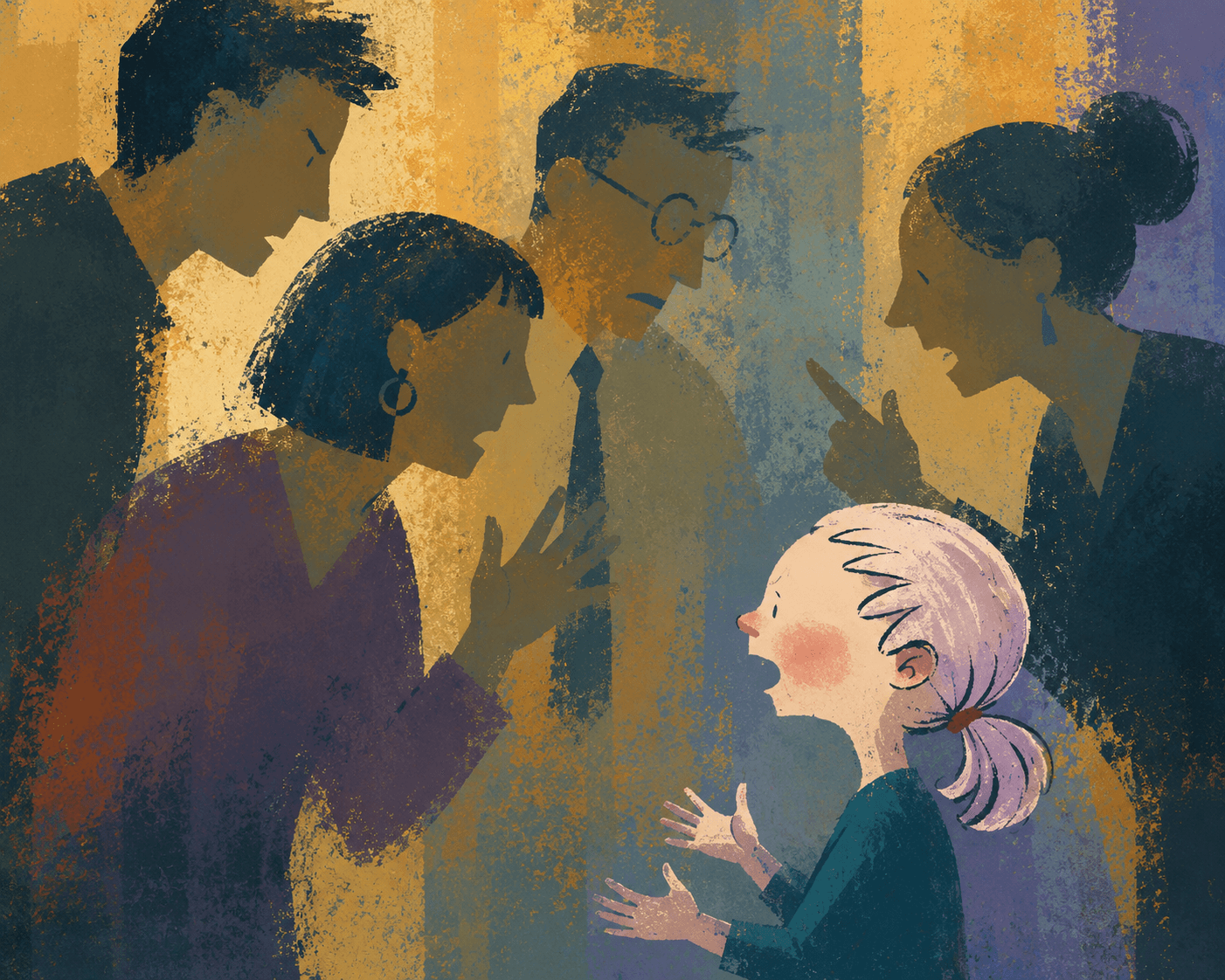
A letter from a family
Dear Aria:
Truthfully, after years of dealing with schools, IEP meetings, therapists, evaluators, ABA providers, insurance companies, and people constantly misunderstanding my child, I have become very blunt and direct with professionals. Sometimes I feel like special education teachers, therapists, and doctors just do not care, are lowering expectations for my child, or are not actually helping him learn anything useful. I get frustrated seeing my child struggle while systems keep making excuses, explanations, delays or recommendations that I do not feel are improving my child’s life and I feel angry because it seems that nobody is truly helping my child or understanding his needs. At this point, I honestly do not know who and which systems or professionals to trust anymore?Aria responds
First, many parents who have spent years navigating special education systems, developmental services, insurance barriers, therapies, evaluations, and repeated disappointments eventually reach a point of emotional exhaustion and distrust. At the same time, these feelings can also begin very early — sometimes immediately after a young child receives a diagnosis at only two, three, or four years old, when parents are suddenly flooded with fear, uncertainty, grief, overwhelming recommendations, intense therapy discussions, frightening predictions about the future, pressure to make major decisions quickly, and the emotional shock of realizing their child may face struggles they never imagined before becoming a parent.
When a parent has repeatedly watched their child struggle while feeling unheard, dismissed, judged, pressured, stigmatized, or disappointed by systems that were supposed to help, frustration can slowly build over time. In many cases, the anger parents feel is not simply about one meeting, one teacher, one therapist, or one recommendation — it is often years of fear, grief, helplessness, disappointment, exhaustion, worry about the future, and emotional burnout accumulating underneath the surface.
At the same time, it is important to recognize that there are real human beings on the other side of these interactions. Teachers, therapists, aides, psychologists, physicians, speech therapists, behavior analysts, social workers, and special education staff are not all the same. Some are highly skilled and deeply compassionate. Some are burned out, overwhelmed, undertrained, emotionally detached, or working within difficult systems with limited resources. Some environments genuinely may not be appropriate for your child. But even if there are individuals who are sincerely trying to help, most human beings will eventually struggle to continue putting their emotional energy, motivation and collaborative effort into helping when interactions become dominated primarily by hostility, accusations, distrust or ongoing conflict rather than communication and problem-solving.
Parents absolutely have the right to advocate strongly, question decisions, disagree with recommendations, request changes, seek second opinions, leave services, switch providers, challenge schools, request evaluations, hire advocates, or reject environments they believe are harming their child. The anger, frustration, helplessness, fear, and emotional intensity parents feel in these situations is often very real and understandable — especially when they genuinely believe their child is not being understood, supported, taught appropriately, or emotionally safe.
However, if you feel that those therapists, teachers or professionals are not helping your child, there is often very little advantage in continuing placing your child in those same environments, particularly if communication and previous efforts to collaborate have not resulted in your desired changes. And arguing, attacking, blaming or threatening professionals can make it difficult for those individuals to continue helping you and your child even if one of them had genuine intention to do so and it can make it very hard for meaningful collaboration to occur as those individuals also work inside a system.
If a parent truly believes that certain providers, teachers or professionals are consistently not helping, harming their child or not providing them appropriate opportunities to learn and grow – there is little long-term benefit in continuing to repeatedly place the child in those same environments while remaining trapped in cycles of anger, conflict, resentment, blame, hostility or emotional warfare. In many situations, it is more useful to focus your energy toward finding a better environment or providers for your child. In many situations, continuing to place a child in environments you fundamentally distrust while repeatedly escalating hostility toward the people inside those environments can eventually begin harming everyone involved — including the child.
It is also important to recognize that children are constantly absorbing the emotional atmosphere around them. When relationships between parents and professionals become dominated by anger, distrust, fear, humiliation, hostility, threats, or emotional conflict – children often feel that tension very deeply themselves. Over time, this can increase anxiety, emotional dysregulation, distrust of authority figures, school avoidance, behavioral escalation, hopelessness, emotional shutdown, or difficulty feeling emotionally safe in learning environments.
If you do decide or must need to continue receiving services or placing your child in public schools or systems where you still feel distrustful, disappointed, uncertain, or concerned about certain professionals or decisions – it becomes especially important to learn how to navigate disagreement, frustration, advocacy, disappointment, and conflict in ways that still allow communication, working relationships, problem-solving, and collaboration to continue functioning as effectively as possible for your child’s benefit.
At the same time, none of this means parents should become passive, blindly trusting, or tolerate genuinely harmful care. Families should absolutely trust their instincts when something feels deeply wrong. If your child is emotionally deteriorating, shutting down, regressing, fearful, losing joy, not learning, or clearly unhappy over long periods of time, those concerns matter enormously. You do not owe blind loyalty to systems that are not helping your child. But there is an important difference between thoughtfully seeking better environments versus becoming psychologically trapped in a worldview where every professional, school, therapist, teacher, or support system automatically becomes viewed as malicious, uncaring, or hopeless from the beginning.
Sometimes families continue placing their child in schools, therapy programs, or treatment settings they fundamentally no longer trust because they feel trapped, financially limited, emotionally exhausted, or believe they have no better options available. In some situations, parents may also begin hoping that if they continue documenting problems, conflicts, placement disagreements, unmet demands, or negative experiences long enough, they will eventually be able to sue the school or provider system later and get justice.
If you genuinely believe a school, therapist, provider, or program is consistently harming your child emotionally, educationally, behaviorally, or developmentally, then for your child’s actual well-being, it is often healthier and more productive to focus energy toward finding better supports, safer environments, stronger advocates, alternative placements, outside services, or different professionals rather than remaining trapped indefinitely in cycles of anger, conflict, threats, or emotional warfare. Financial settlements, legal victories, or proving wrongdoing later cannot always undo years of emotional distress, lost learning opportunities, damaged trust, worsening mental health, developmental regression, or the impact on a child spending long periods of time in environments where they were not meaningfully growing, learning, connected, or emotionally safe.
One of the hardest but most important parts of advocacy is learning how to protect your child fiercely while still leaving enough emotional openness to recognize when there are actually people who may genuinely care, want to help, and are trying to work with your family in good faith.
Ty's, yours. Take care.
- Aria
This column offers general, educational guidance. It is not individualized medical, psychological, diagnostic, educational, or legal advice.
Have your own question? Submit a letter to Ask Aria.